
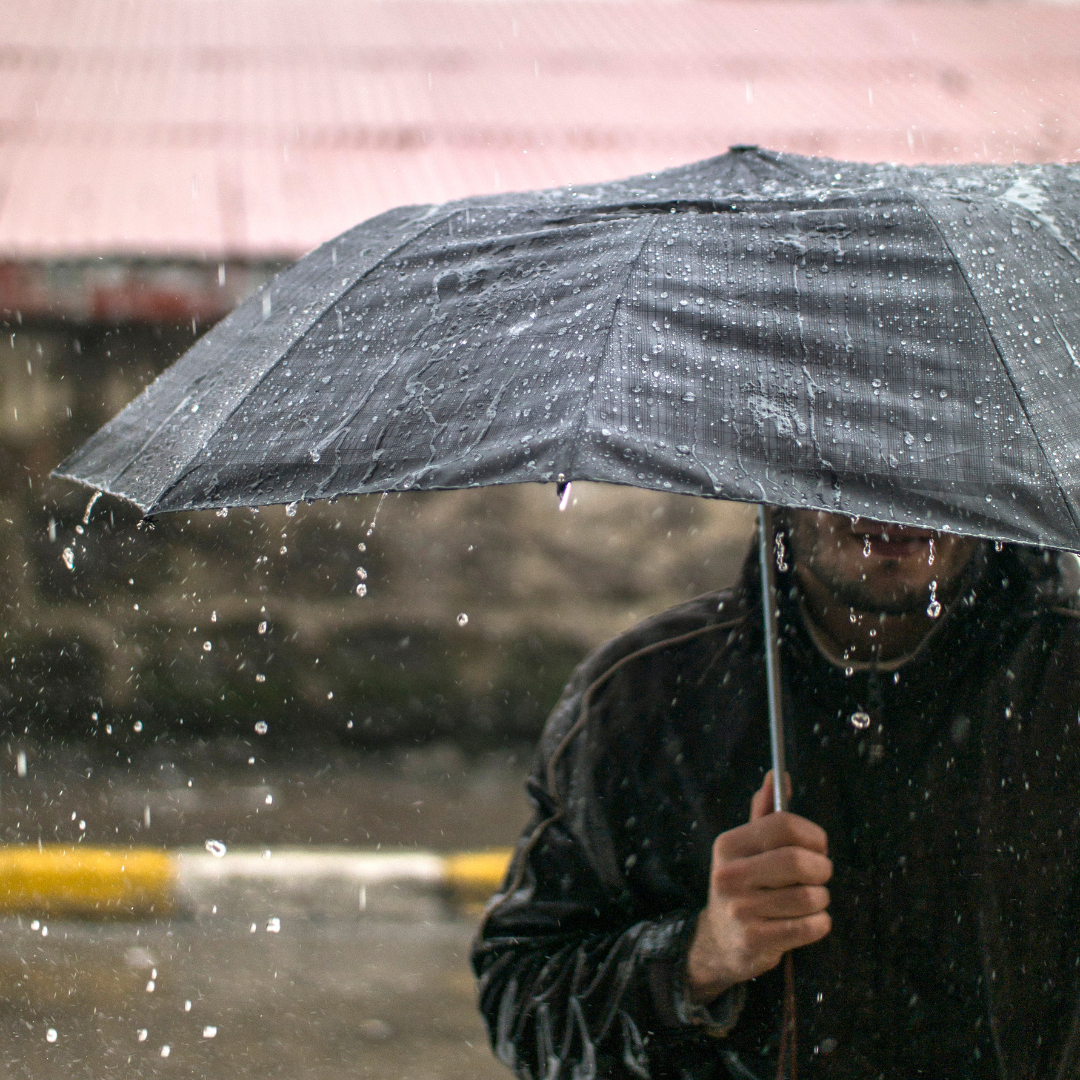
As we approach winter we’re taking a look at how a change in weather can increase fraudulent insurance claims. Winter can be tough on homes, vehicles, and businesses across New Zealand. Heavy rain, flooding, strong winds, frosts, and cold snaps often expose weaknesses that may have existed long before a winter storm arrives.
For insurers, one of the biggest challenges during winter claim season is determining what damage was caused by a sudden insured event and what damage was already there.
It’s a question that sits at the centre of many insurance disputes:
Was the roof damaged by the storm, or had it been deteriorating for years?
Did the pipe suddenly burst because of freezing temperatures, or had it already been weakened by corrosion?
Was the water damage new, or the result of an ongoing leak that had never been repaired?
These situations can quickly become stressful for everyone involved.
Sudden Damage vs Gradual Damage
Most insurance policies are designed to cover sudden and unexpected events, such as storms, floods, fire, theft, or accidental damage.
What policies generally do not cover is:
- Wear and tear
- Gradual deterioration
- Lack of maintenance
- Existing damage
- Faulty workmanship
That distinction becomes especially important during winter weather events.
The New Zealand Insurance & Financial Services Ombudsman Scheme (IFSO) has handled disputes where storm or water damage claims were reduced because parts of the property had significant pre-existing deterioration or maintenance issues.
In one case reviewed by the IFSO, a house suffered flooding damage after a washing machine overflowed. While the insurer accepted the sudden flood event itself, the dispute centred on extensive pre-existing damage and poor maintenance that complicated the repair process.
Why Winter Brings More Disputes
Cold, wet weather has a way of exposing hidden problems.
Winter claims commonly involve:
- Roof leaks
- Rotting timber
- Failed waterproofing
- Rusted gutters
- Burst pipes
- Dampness and mould
- Vehicle corrosion
- Heating system failures
A severe storm may genuinely cause damage, but insurers also assess whether the affected area was already weakened beforehand.
For example:
- A storm may lift roof tiles that were already loose
- Heavy rain may enter through long-term unrepaired cracks
- Flooding may worsen existing moisture damage
- A fallen tree branch may impact a roof already weakened by decay
Internationally, disputes over “wear and tear” versus storm damage have become increasingly common.
In the UK, the Financial Ombudsman Service overturned an insurer’s decision after finding storm conditions, not gradual deterioration alone, caused roof damage during severe weather.
At the same time, NZ regulators have warned insurers to improve the way they communicate storm damage decisions, after many customers struggled to understand why claims were declined or partially accepted.
While kiwis are becoming “active risk managers”, by preparing their properties before storms hit (such as drain clearing and securing outdoor furniture), others are using storms as an opportunity to lodge “sudden damage” claims for issues that are actually the result of gradual wear and tear.
How Insurers Investigate These Claims
When a winter-related claim is lodged, insurers may:
- Review maintenance records
- Compare historical photographs
- Examine satellite or weather data
- Assess the age and condition of materials
- Use loss adjusters or engineers
- Look for signs of long-term deterioration
Investigators are trained to identify indicators of gradual damage, including:
- Rust or corrosion
- Rot and mould growth
- Long-standing water staining
- Previous repairs
- Structural movement
- Age-related deterioration
Weather data is also increasingly important. Insurers may compare local storm conditions against the reported damage to determine whether the claimed event is consistent with the loss.
The Importance of Honesty
Most policyholders are honest. But winter claim periods can create pressure when costly repairs are suddenly discovered.
Sometimes homeowners may be tempted to:
- Include old damage in a new claim
- Delay reporting known maintenance issues
- Exaggerate the impact of a storm
- Claim unrelated damage alongside legitimate losses
That creates problems not only for insurers, but for honest customers whose premiums are ultimately affected by fraud and inflated claims.
Insurance fraud does not always involve organised criminal activity. It can also involve opportunistic behaviour for example, attempting to claim for an old roof issue after a major storm event.
Even small exaggerations can undermine trust and complicate legitimate claims.
Why Documentation Matters
Good documentation can make a major difference during winter claim assessments.
Policyholders should:
- Photograph damage immediately
- Keep maintenance records and receipts
- Document temporary repairs
- Retain inspection reports
- Act quickly to prevent further damage
Australian disaster recovery specialists note that storm claims are often disputed when evidence cannot clearly distinguish storm damage from pre-existing deterioration.
The clearer the evidence, the easier it is for insurers to assess what happened.
Climate Pressure Is Increasing
New Zealand insurers are already seeing increased pressure from more frequent severe weather events.
According to reporting on insurer data this year, one major insurer recorded dozens of significant storm events and tens of thousands of storm-related claims across New Zealand in a 12-month period.
As weather events become more frequent and repair costs continue to rise, disputes around pre-existing damage are likely to become more common.
That makes maintenance, accurate disclosure, and honest claims more important than ever.
A Shared Responsibility
Insurance works best when trust exists between insurers and policyholders.
For homeowners and drivers, regular maintenance and honest disclosure help ensure claims can be processed fairly and efficiently.
For insurers, clear communication and transparent investigations are essential, especially when customers are already dealing with the stress of winter damage.
And for everyone, understanding the difference between sudden damage and gradual deterioration can help avoid disputes before they begin.
Need to report fraud? You can do so here: https://ifb.org.nz/report-fraud/