
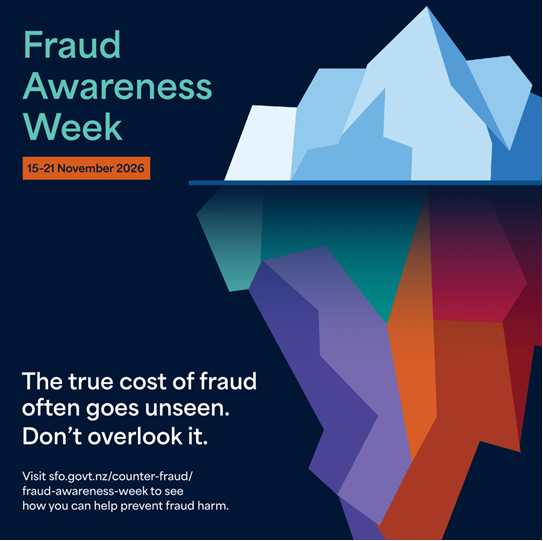
| Summary: This week is Fraud Awareness Week (15–21 November), a national campaign led by the Serious Fraud Office’s Counter Fraud Centre. This year’s theme, “the true cost of fraud often goes unseen”, highlights how insurance fraud reaches into the lives of everyday policyholders, raising premiums, delaying legitimate claims, and putting pressure on communities. Here’s what those hidden costs look like, and how you can help by reporting what you see. |
This week is Fraud Awareness Week (15–21 November), an annual campaign led by the Serious Fraud Office’s Counter Fraud Centre. Each year, it brings together government agencies, industry, and the public to raise awareness of fraud and its consequences.
This year’s theme is “the true cost of fraud often goes unseen, don’t overlook it.” That message resonates strongly with insurance fraud. The effects reach further than most people realise, touching every policyholder in New Zealand.
How Much Does Insurance Fraud Really Cost?
Insurance fraud in New Zealand is estimated to cost insurers up to 10% of gross written premiums every year. At current estimates, that’s approximately $995 million, nearly $1 billion annually.
That number is significant on its own, and it only captures the direct financial loss to insurers. The wider cost spreads across the entire system. Those losses are passed on to every policyholder in the form of higher premiums. When someone makes a dishonest claim, everyone else pays for it.
The Costs You Don’t See
When people think of insurance fraud, they often picture a dramatic staged accident or an elaborate scam. In reality, most fraud is smaller and more common: exaggerating the value of a claim, adding items that weren’t actually lost, or leaving out details that might affect a payout.
According to the IFB’s most recent survey data, 61% of respondents believe that claims which exaggerate losses are common in New Zealand, and 55% believe that providing incorrect or incomplete information during the claims process happens frequently.
These seemingly small acts of dishonesty create a ripple effect that goes far beyond the individual claim:
Higher premiums for honest policyholders. Every fraudulent claim adds to the total cost of claims. Insurers factor those costs into their pricing. The result is that families and individuals who have never made a dishonest claim still end up paying more.
Slower claims processing. Fraud means insurers need to carry out more thorough checks on all claims. That can slow down the process for people with genuine losses, at a time when they most need support.
Pressure on emergency services. Some types of fraud, staged crashes, deliberately damaged property, faked injuries, result in callouts that divert police, fire, and ambulance resources from real emergencies.
Increased costs for businesses. Fraud increases costs across commercial insurance as well. Businesses face higher premiums, and for small businesses in particular, unexpected insurance cost increases can be difficult to absorb.
Reduced availability of cover. In areas or categories where fraud is persistent, insurers may restrict coverage or increase excesses, making it harder for honest people to access affordable insurance.
The Personal Cost of Getting Involved
Fraud Awareness Week is also a good time to remember that fraud carries serious personal consequences. If you are caught committing insurance fraud, or helping someone else to, the outcomes can include having your claim declined, your policy cancelled, and being flagged as a risk on the Insurance Claims Register (ICR), a database used across the insurance industry. A fraud flag on the ICR can follow you for years, making it harder to get insurance in the future. In more serious cases, fraud can lead to prosecution and a criminal record.
These consequences apply whether you make a fraudulent claim yourself or provide false information to support someone else’s. Even helping a friend or family member with a dishonest claim can put you at legal risk.
What Can You Do?
This Fraud Awareness Week, the most important thing you can do is stay honest and speak up if something doesn’t look right.
If you suspect someone is making a false or exaggerated insurance claim, you can report it confidentially through the Insurance Fraud Bureau. You don’t need proof, and you can remain anonymous. Every report helps protect the system that honest New Zealanders rely on.
To report insurance fraud, visit ifb.org.nz/report-fraud.
You can also find out more about the SFO’s Fraud Awareness Week, including free webinars and resources, at sfo.govt.nz/counter-fraud/fraud-awareness-week.
Insurance fraud has real victims and the cost is shared by all of us, whether we see it or not. Staying honest and reporting what you see helps keep insurance fair and affordable for every New Zealander.
Frequently Asked Questions
1. What is Fraud Awareness Week?
Fraud Awareness Week is an annual campaign held in the third week of November. In New Zealand, it is led by the Serious Fraud Office’s Counter Fraud Centre. The 2026 theme focuses on the hidden costs of fraud that extend beyond the financial loss.
2. How does insurance fraud affect my premiums?
When fraudulent claims are paid out, they add to the total cost of claims for insurers. Those increased costs are passed on to all policyholders through higher premiums, even if you have never made a dishonest claim.
3. How do I report insurance fraud in New Zealand?
You can report insurance fraud confidentially or anonymously through the Insurance Fraud Bureau at ifb.org.nz/report-fraud. You don’t need proof to make a report.